
USA basedProduct Design Engineer
Before designing,
ask the users.
14 years of designing with startups and enterprise teams. Every project starts with real people and real data, then makes the complex feel simple.
Selected work
Four problems, each one led by the people living with it. Each one opens the full story: research, prototypes, feedback and results.
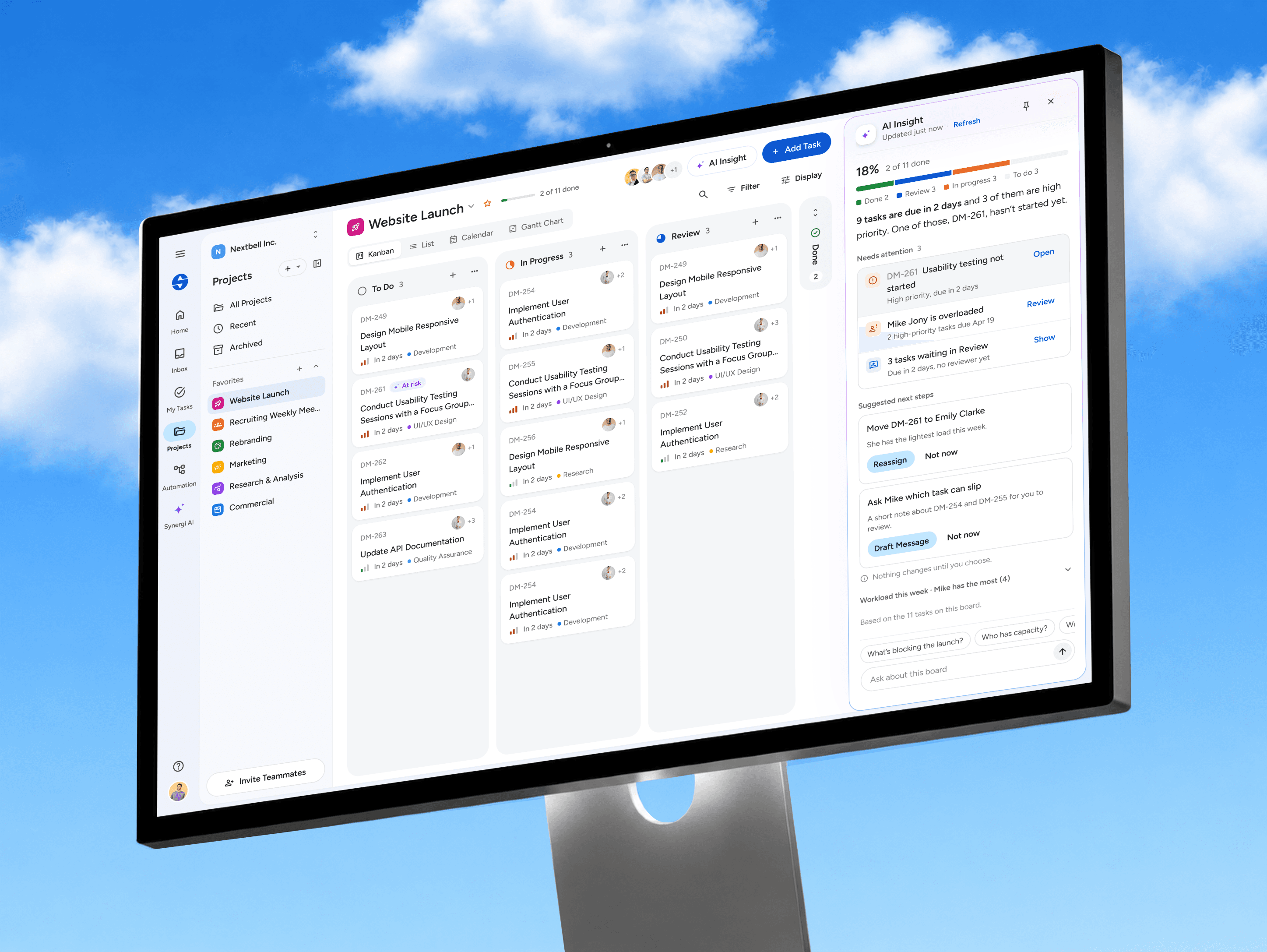
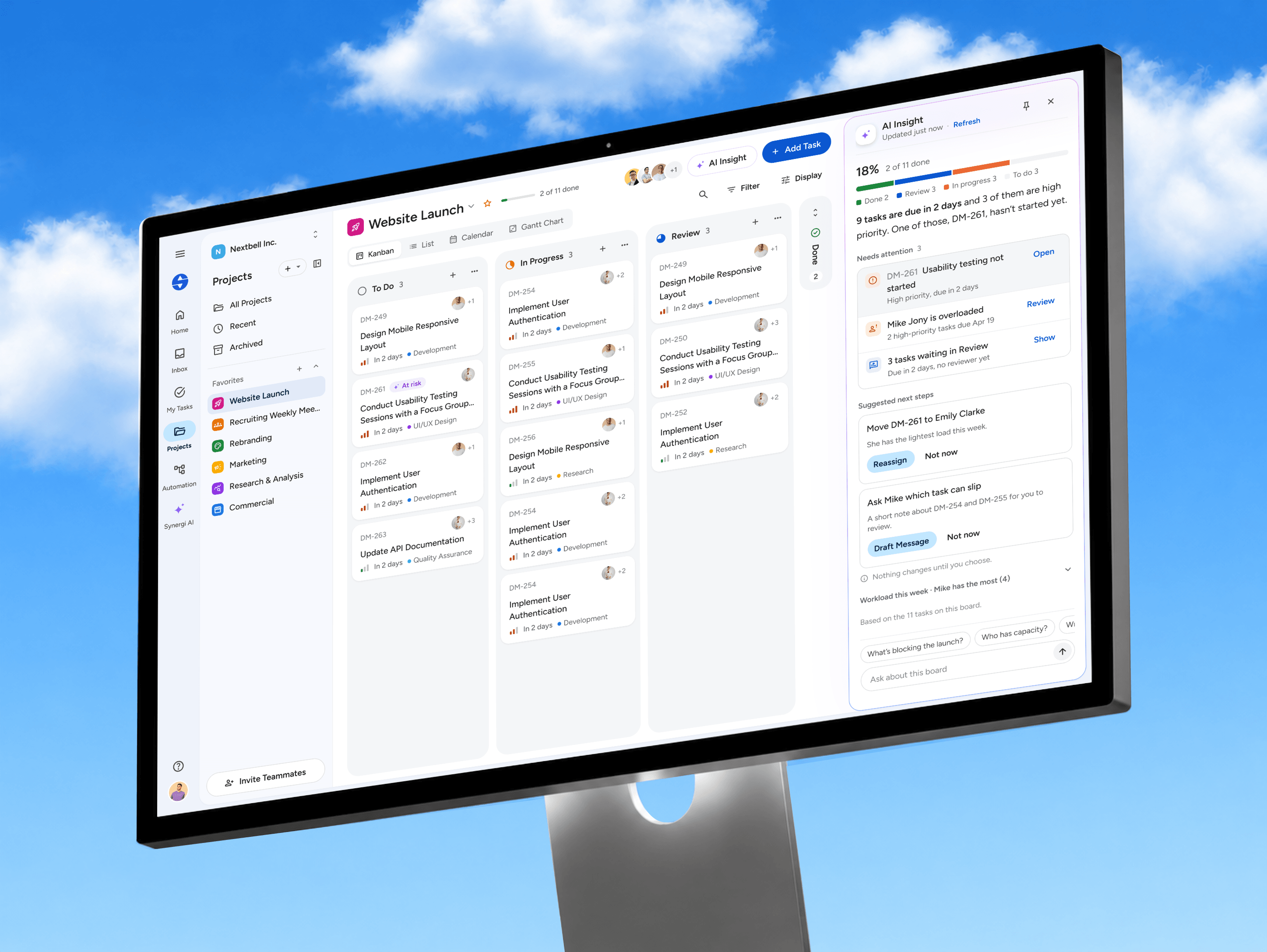
- SynergiTaskB2B SaaSAI Task Management Toolsuser adoption after launch+78%See case study
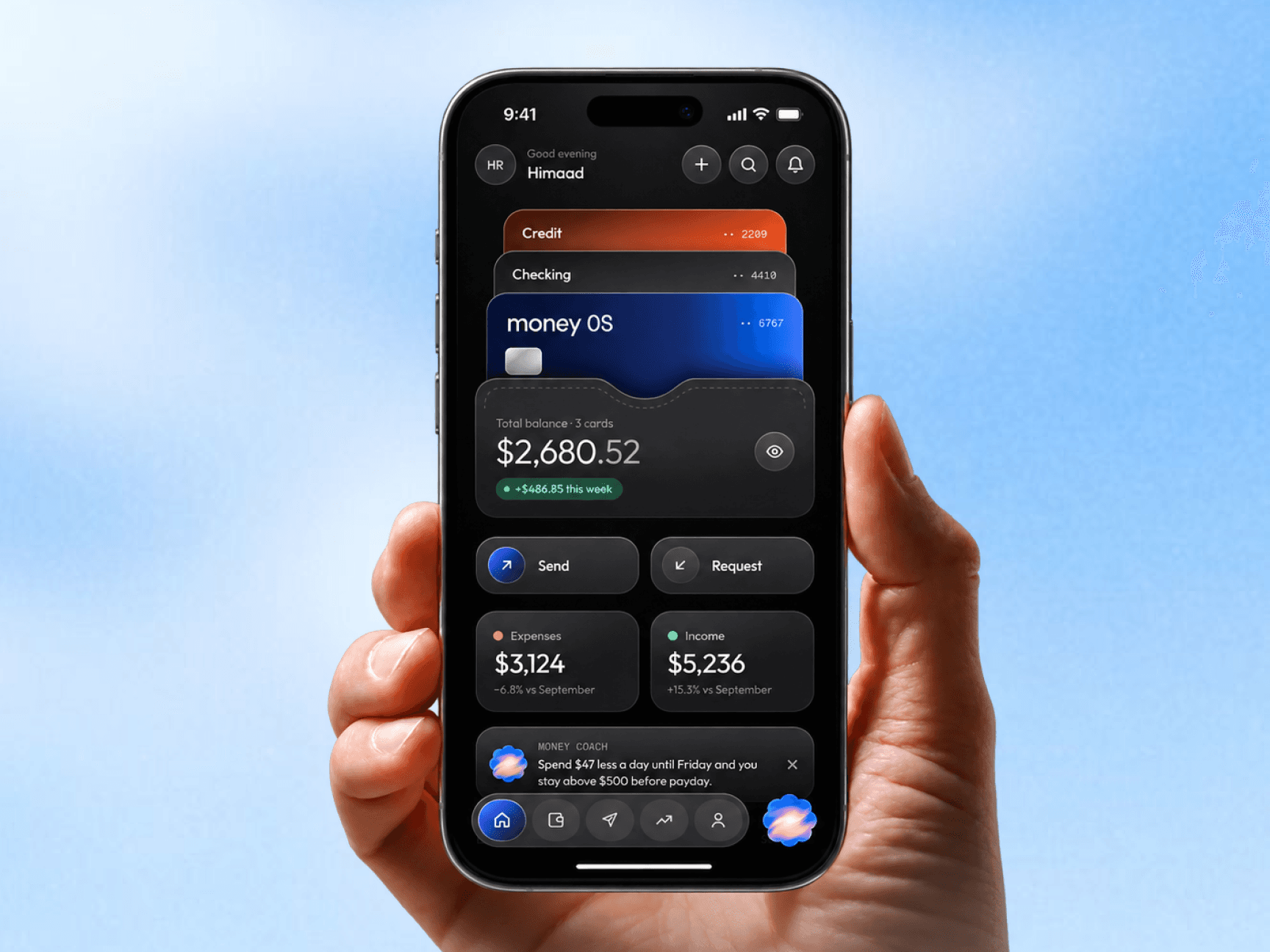
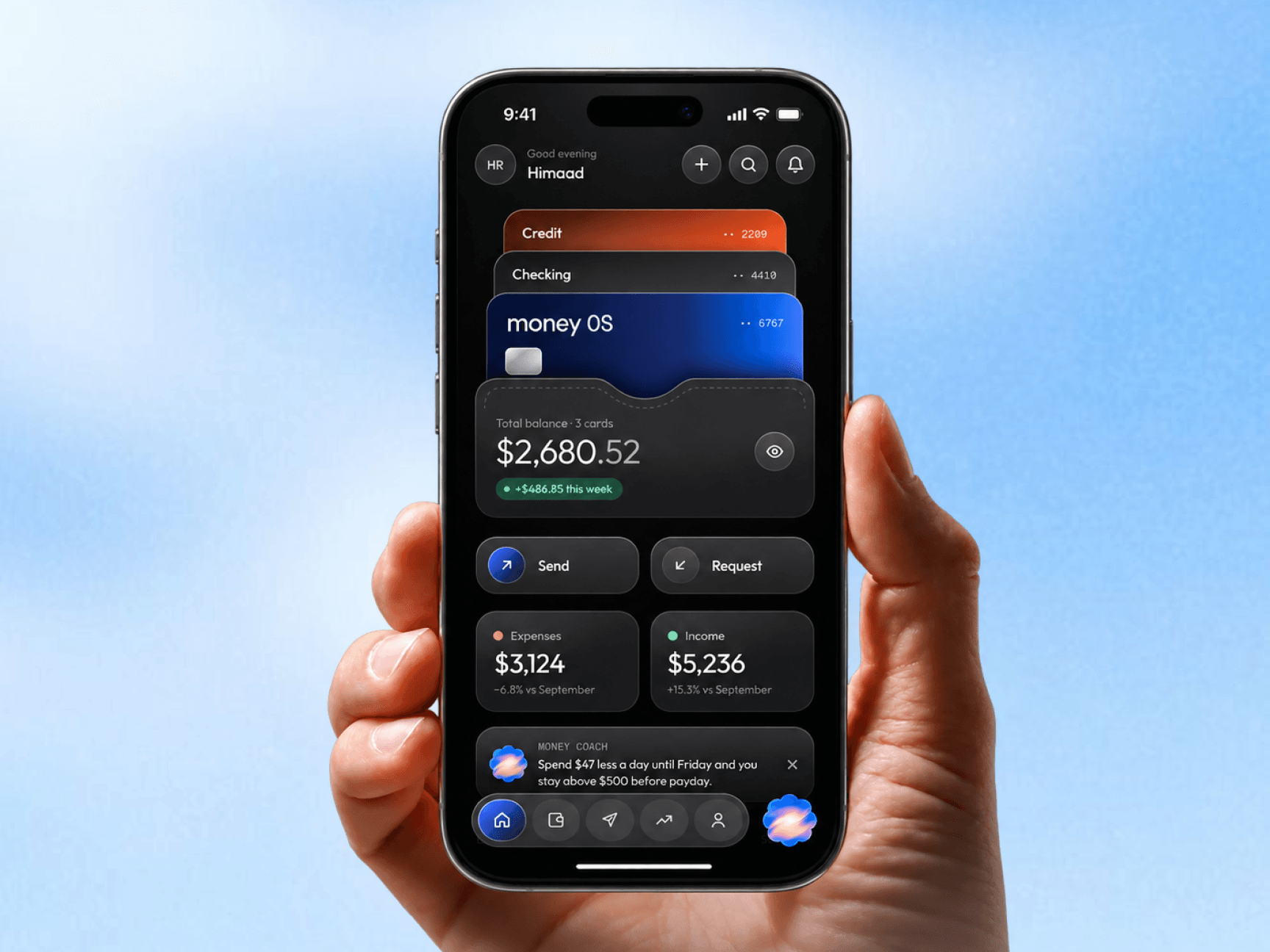
- Money OSSimple payments came with second guesses.median time to make a payment29sSee case study
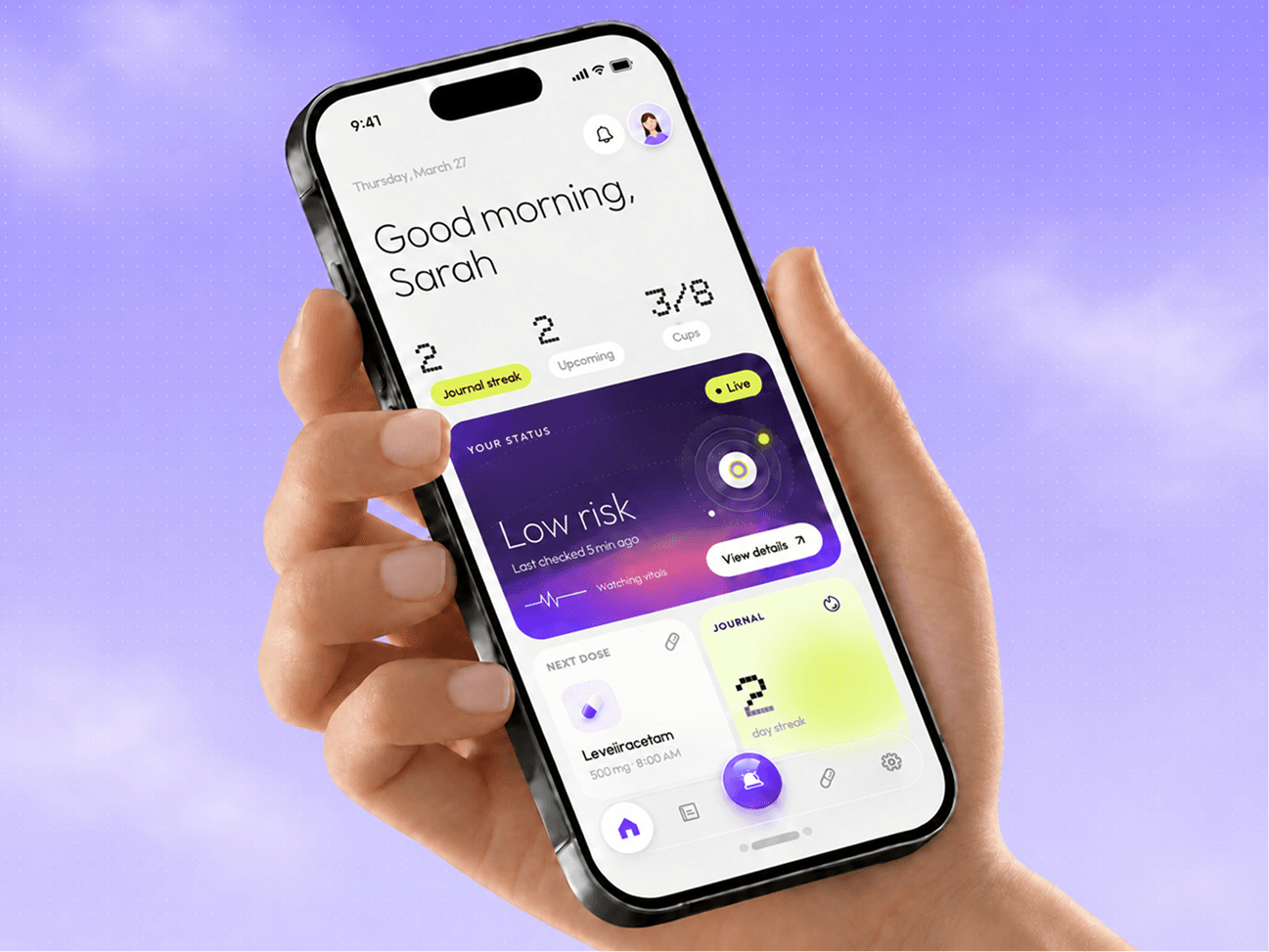
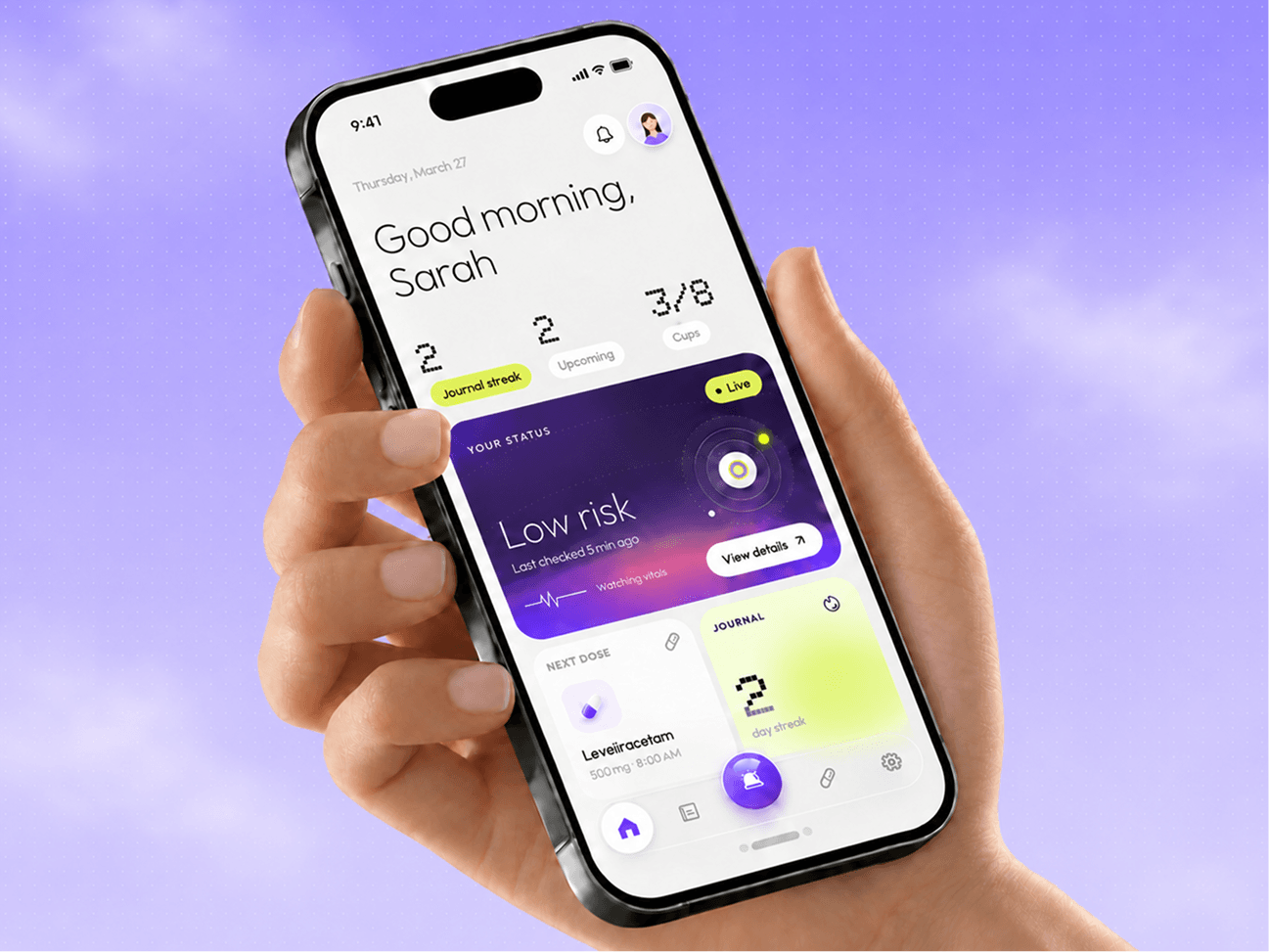
- OverwatchA safety app felt hard to trust.faster caregiver response24%See case study
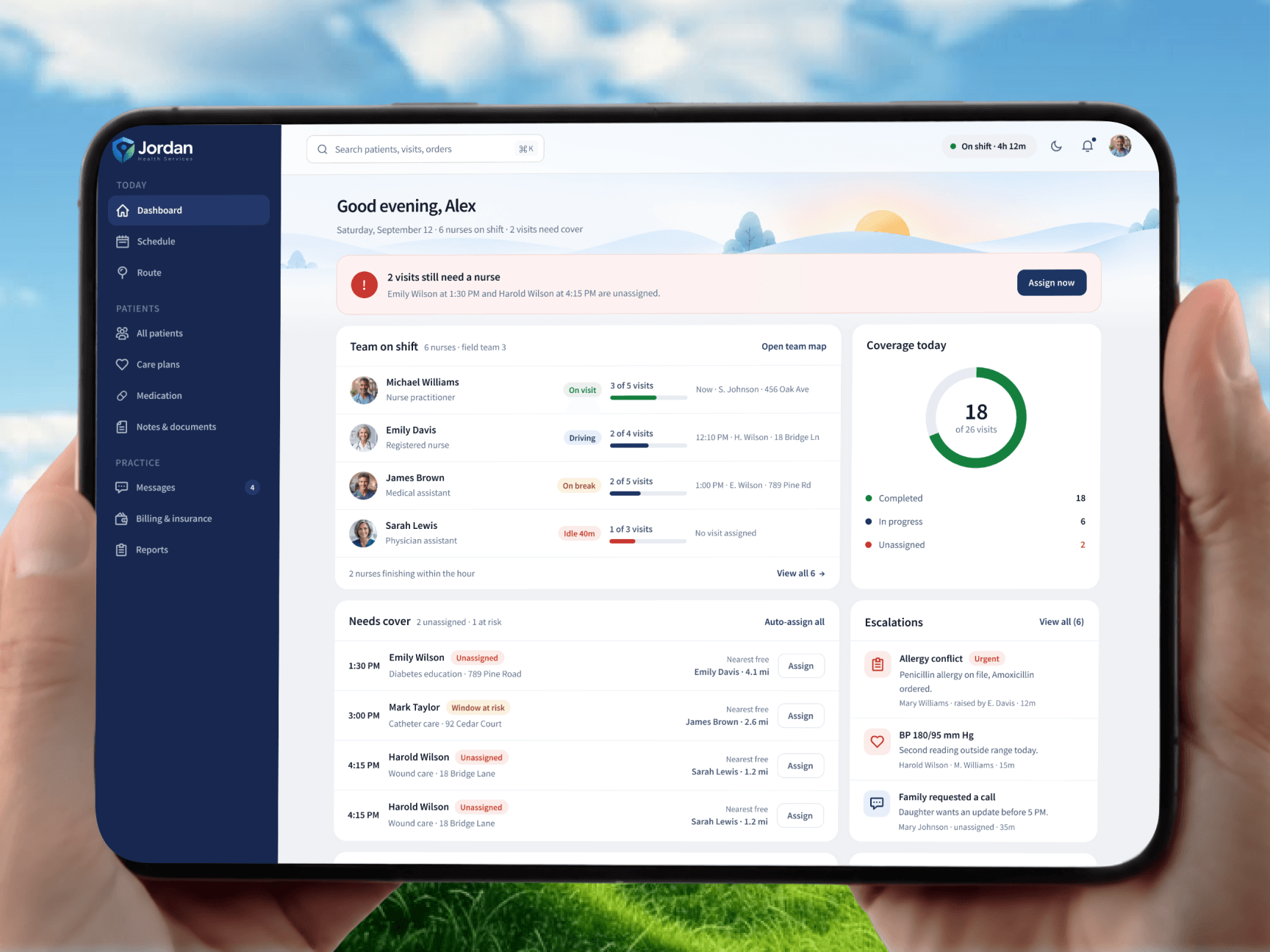
- Jordan Health ServicesNurses were taking the paperwork home.less documentation time per visit45%See case study
One day or a thousand, the process stays.
The tools change with the job, so move them wherever you like. The process doesn’t. Every design needs data, the right questions, the people it’s for, stakeholders and experts, and collaboration, end to end.
01Data
Start from what the numbers and the research already say.
02Questions
Name the assumptions and what still needs to be learned.
03Customers
Talk to the people who live with the problem.
04Stakeholders & experts
Bring in the people who know the business and the domain.
05Collaboration
Build it together. There is always more to learn.
Drag a tool to another step.
Behind the work
A product designer in Dallas, Texas, with research at the start of every project.
Prototype early.
A rough prototype starts a useful conversation while there’s still time to change course.
Designed with real people.
People managing epilepsy, nurses without signal, people paying bills on the go, and teams that need one picture.
The tools behind the design
Figma for the craft, and Claude, Codex and Cursor to turn ideas into working prototypes.
Figma: Designing screens and systems
- Figma
- Claude
- ChatGPT
- Codex
- Cursor
- Grok
- Xcode
- Miro
- GitHub